Project: Deep Dive into GTM Strategy: Analysis, Positioning, and Growth for the MEI Market 🧠
The framework of a winning GTM Strategy. From data analysis that revealed a commoditized market to the action plan that unified the growth and marketing squads around a single objective: differentiation and leadership in the MEI segment.
Technical Details
1. Project Context and Objective
In 2024, Company Hero was preparing for a bold strategic move: the launch of a package with 9 new paid features for the MEI (Microempreendedor Individual) audience, aiming to deepen the monetization of our app, PJ Hero. The business objective was clear and ambitious: **to consolidate the company as one of the main players in the segment, reaching the mark of 1 million active users.**In this project, acting as Product Marketing Lead, I was responsible for developing the Go-to-Market (GTM) strategy that would lead us to this goal.
2. Investigation Structure and Methodologies
To ensure the strategy was solid, tangible, and not based on "gut feelings," I structured a 100% data-driven investigation process. The work was based on three pillars of analysis that connect to form a 360º view of the landscape, using data from primary sources (netnography) and secondary sources (such as Gov.br, Sebrae, Similarweb).3. Market and Competition Analysis: Mapping the Battlefield
The first step was to diagnose the environment in which we would compete, identifying threats and, most importantly, opportunities.Market Dynamics:
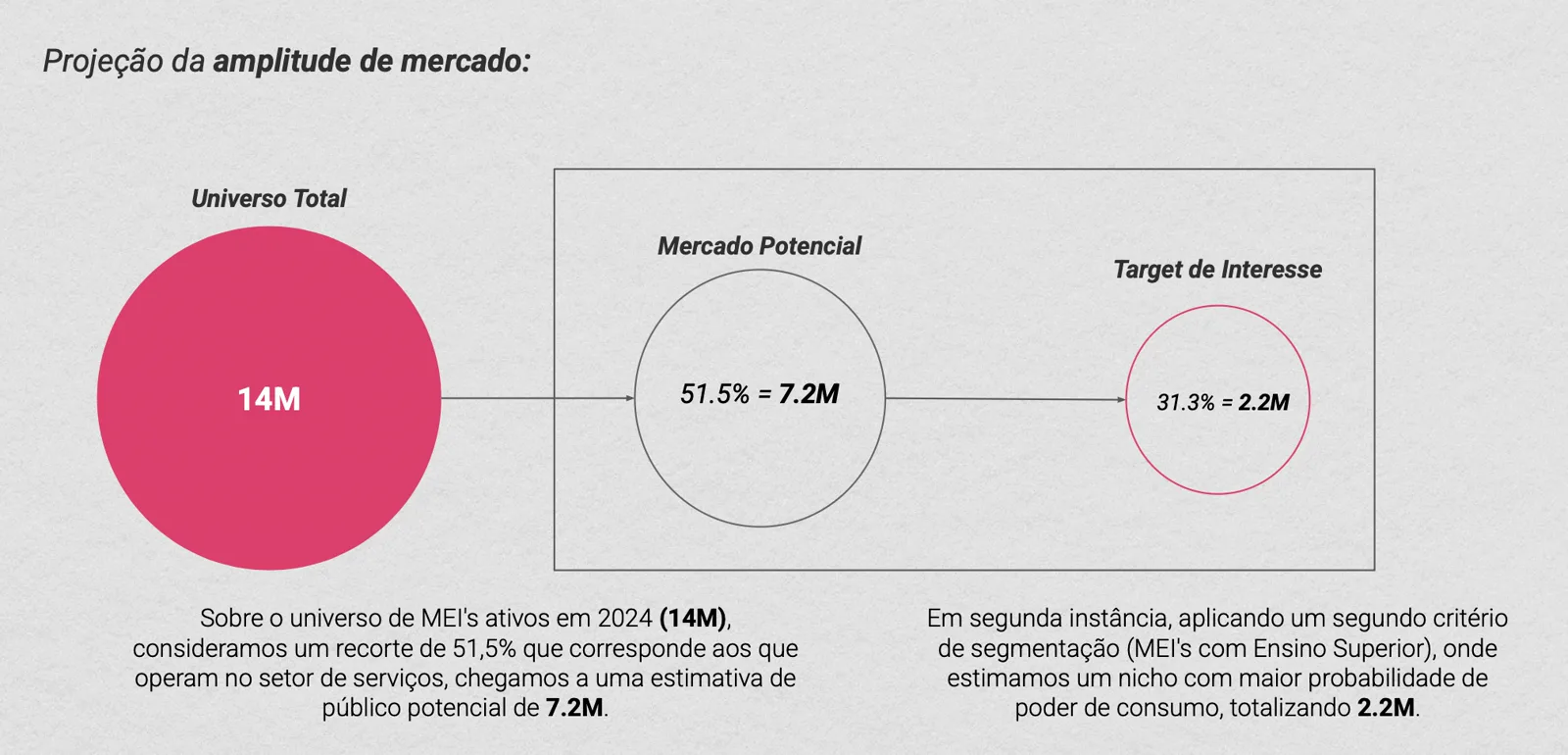
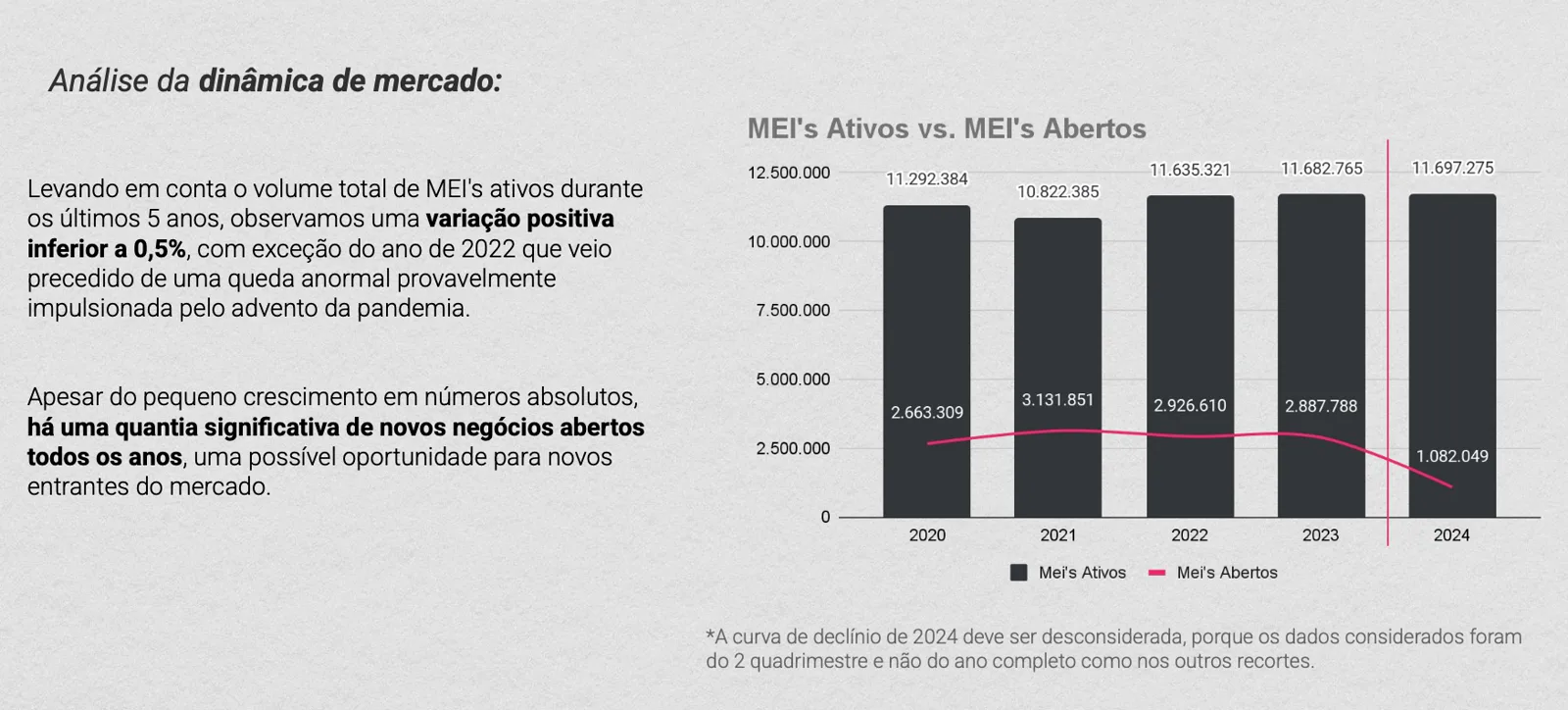
Public data analysis (GOV Company Map) revealed a market of 14 million MEIs, with a potential audience in the service sector of 7.2 million. Despite low overall growth (<0.5% p.a.), the high volume of new CNPJs opened annually (average of 2.8 million between 2020-2023) pointed to our first strategic opportunity: focus on acquiring new market entrants.
Competitive and Positioning Analysis:
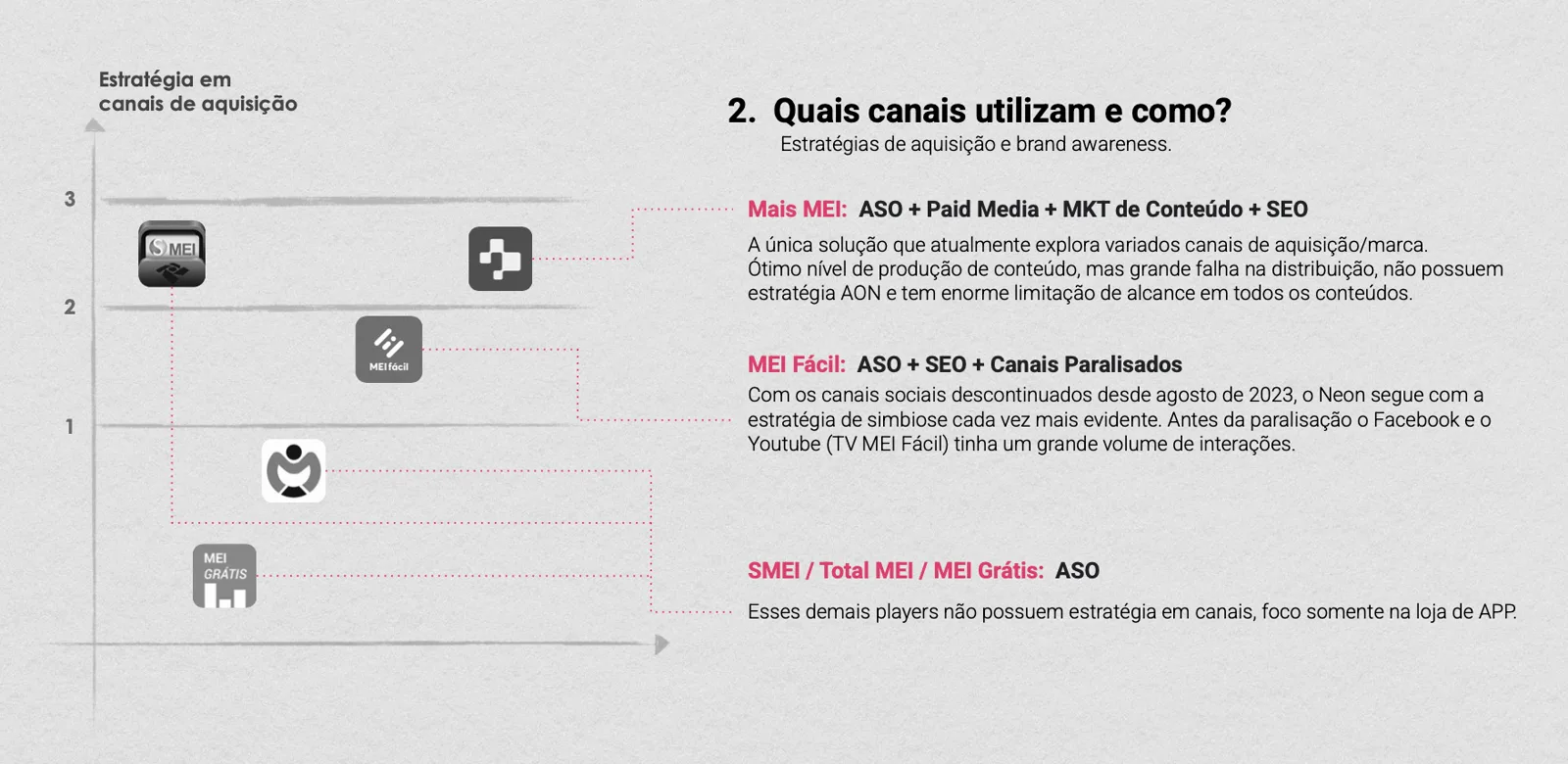
I mapped the main competitors in a matrix to analyze their channels and value propositions. The conclusion was alarming and, at the same time, encouraging:
- Positioning Vacuum: There was a total commoditization of communication. All players used the same superficial discourse focused on "app," "platform," "easy," "fast," and "free."
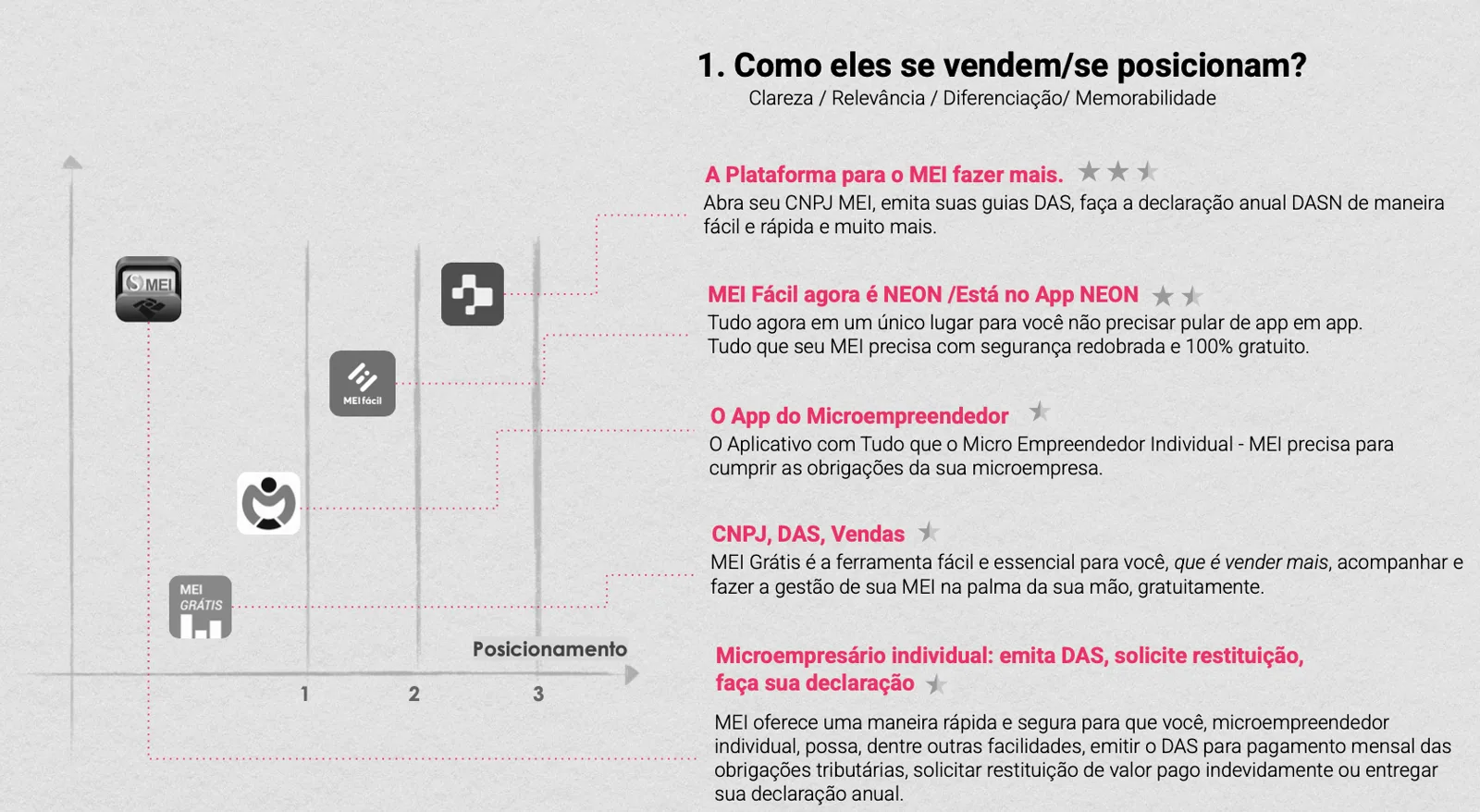
- Canal Myopia: Their acquisition strategy was almost identical, with a massive focus on ASO (App Store Optimization) and aggressive, low-quality outbound efforts.
- No player invested consistently in brand building and community on channels like TikTok or YouTube.
4. User-Centric Focus: Discovering the Customer's Real Pain Points
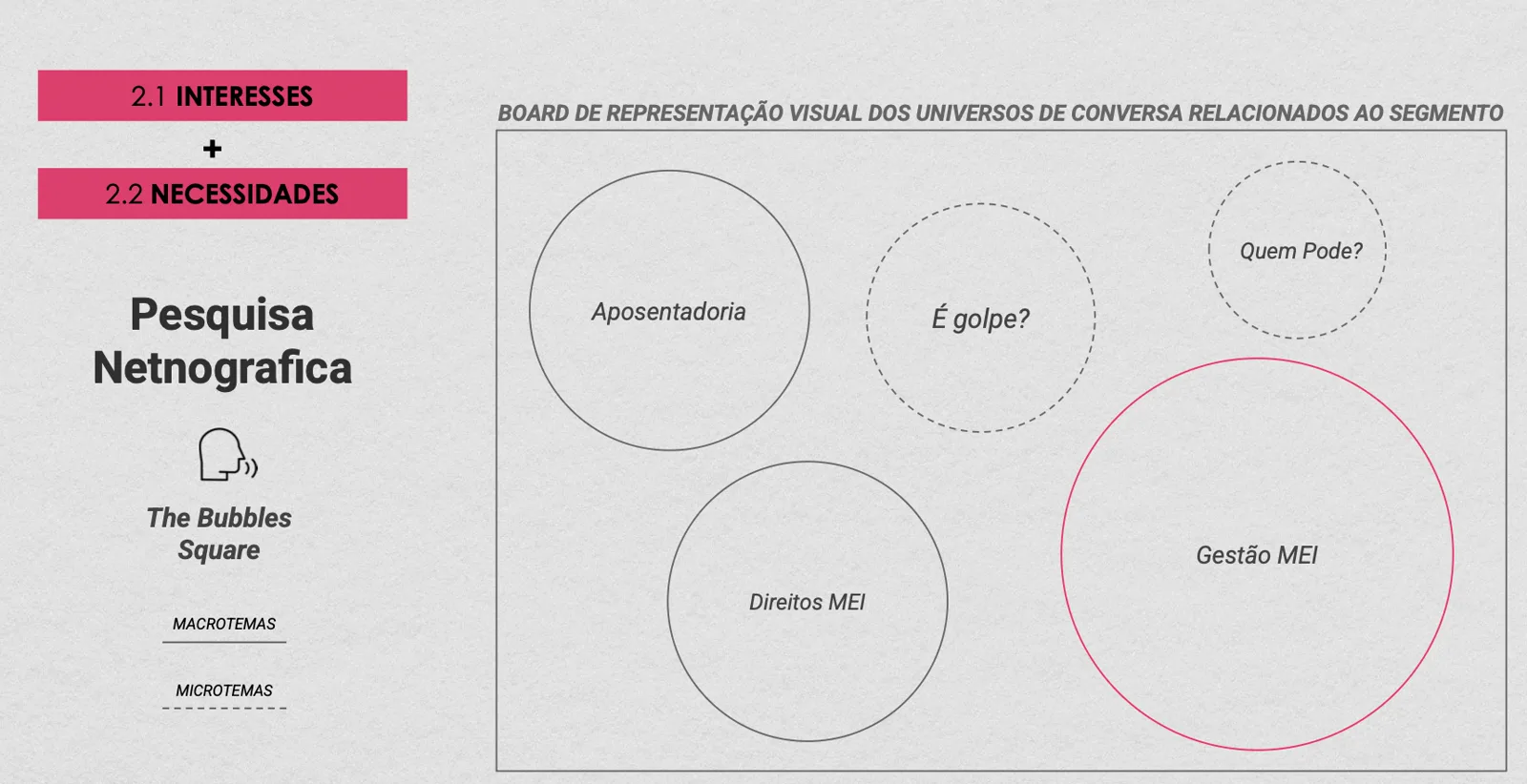
With the market map in hand, I delved into the most important piece of the puzzle: the customer.I used Netnography as my primary methodology, analyzing hundreds of comments and interactions from MEI (Micro-entrepreneur) individuals on social media to understand their real needs, pain points, and interests, going beyond the obvious.
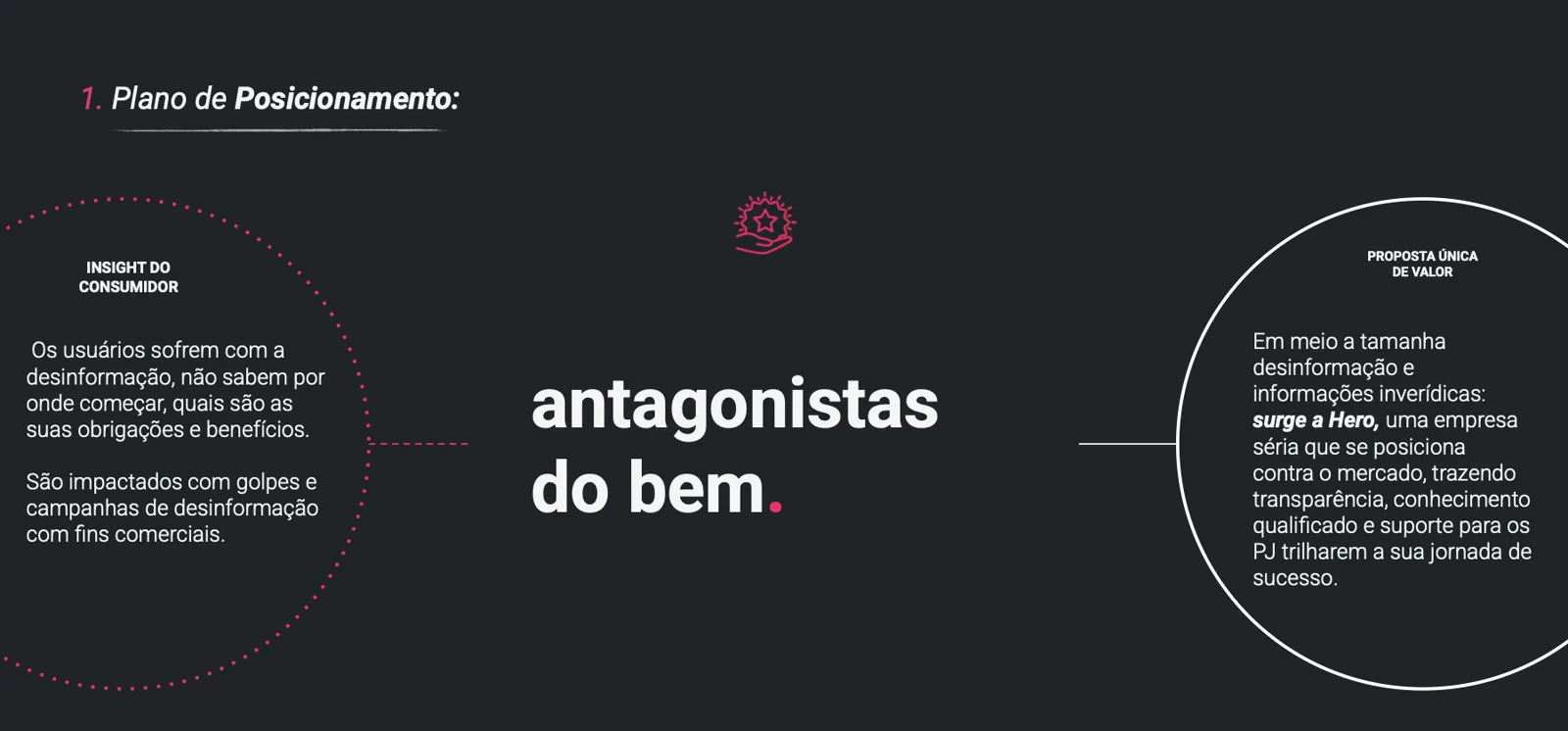
The analysis revealed that the main pain point of our ICP (Ideal Customer Profile) was not technical, but emotional. The theme that dominated conversations, with a load of anguish and urgency, was the fear of fraud, summarized in the question: "Is it a scam?".
5. Positioning Plan: The Strategic Response to Customer Pain
The netnographic insight was the foundation for building a truly differentiated Unique Value Proposition (UVP).The Rationale: If the core pain was the fear of scams and misinformation, our brand needed to position itself as the direct opposite.
Building the UVP: I created the concept of "Good Antagonists." PJ Hero wouldn't be a neutral brand; we would be an active voice against bad market practices, educating and protecting MEIs.
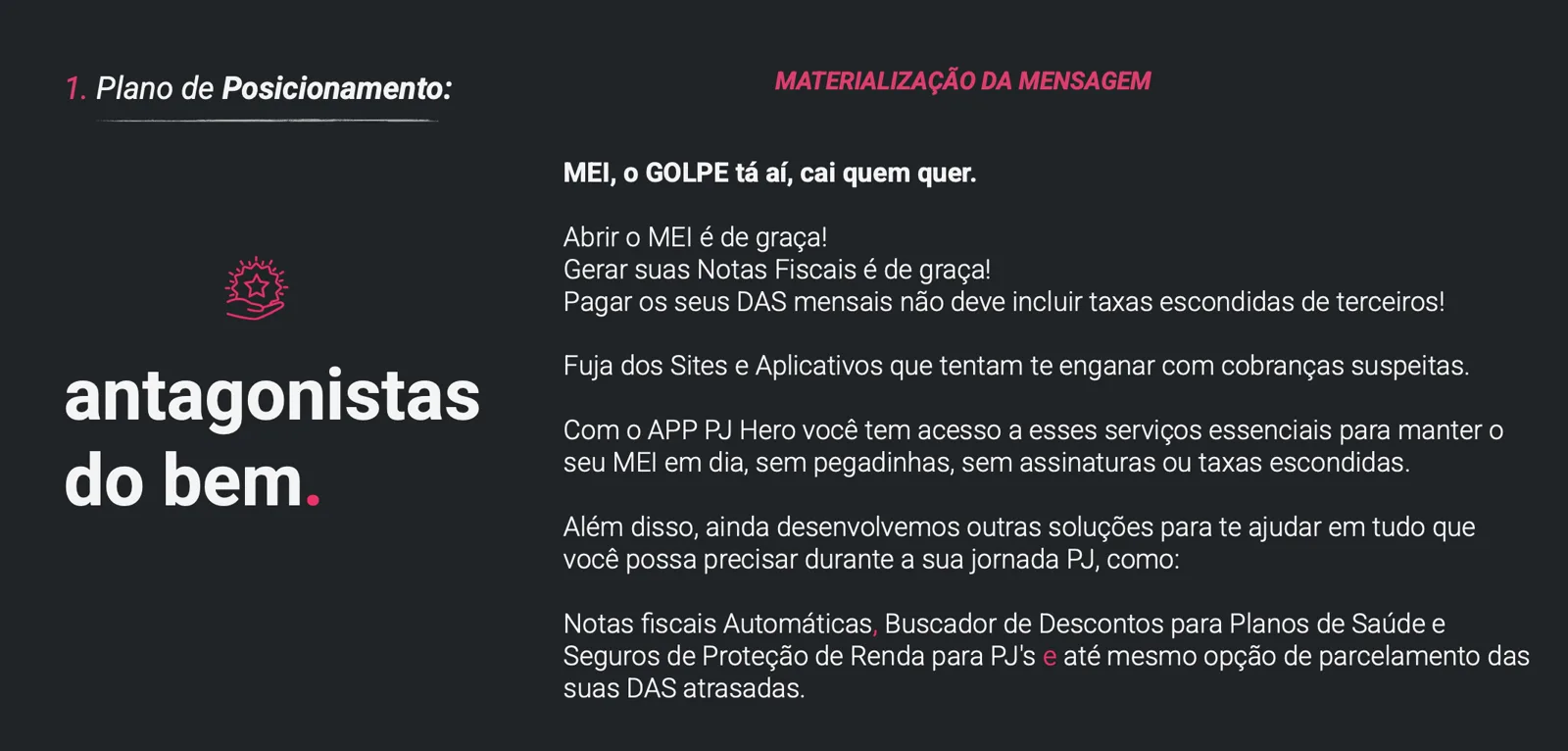
The Message: The materialization of this UVP occurred in a direct and empathetic communication, which embraced our audience's main alert slang: "MEI, the SCAM is here, play if you want."
6. GTM Strategy and Growth Projections
With the "Good Antagonists" positioning defined, the next step was to design a complete action plan, detailing the areas of operation, their projected impact, and the tactical rollout for the teams.
The GTM strategy was consolidated on 5 pillars, directly connected to the insights from the diagnostic phase:
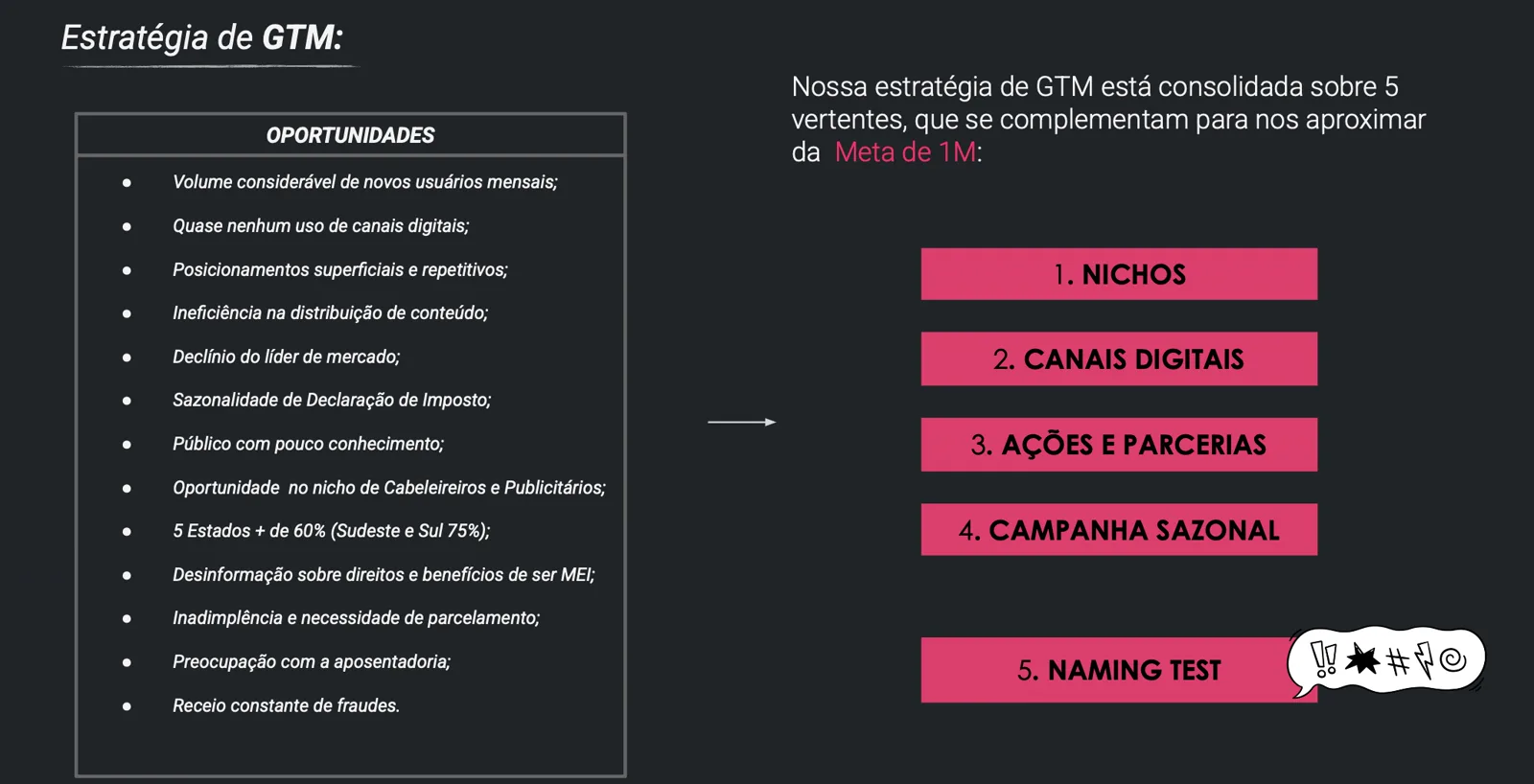
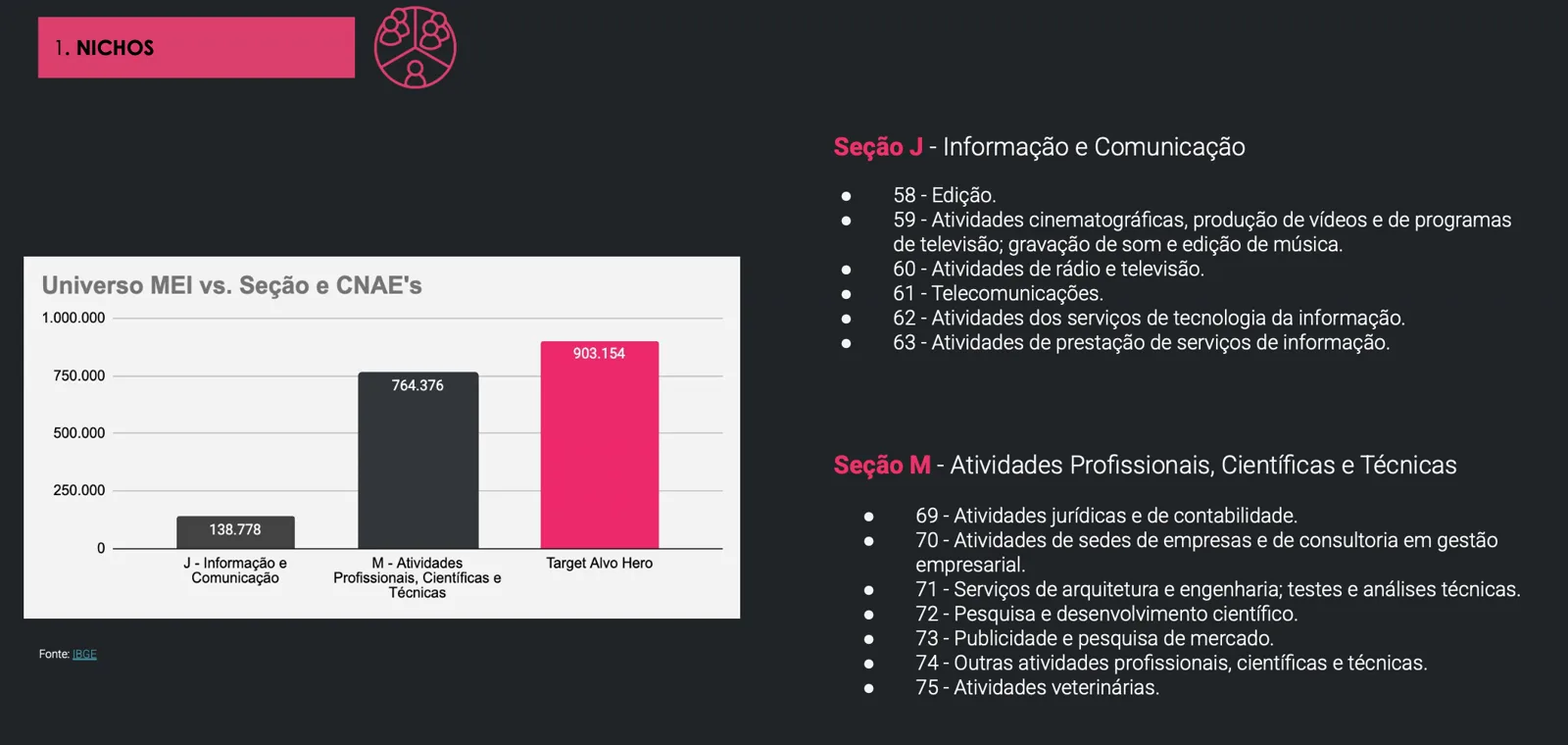
1. Niches: To optimize investment and ensure a focused entry, the strategy planned to concentrate initial efforts on highly qualified MEI niches, specifically those in CNAE sections "J - Information and Communication" and "M - Professional, Scientific and Technical Activities".
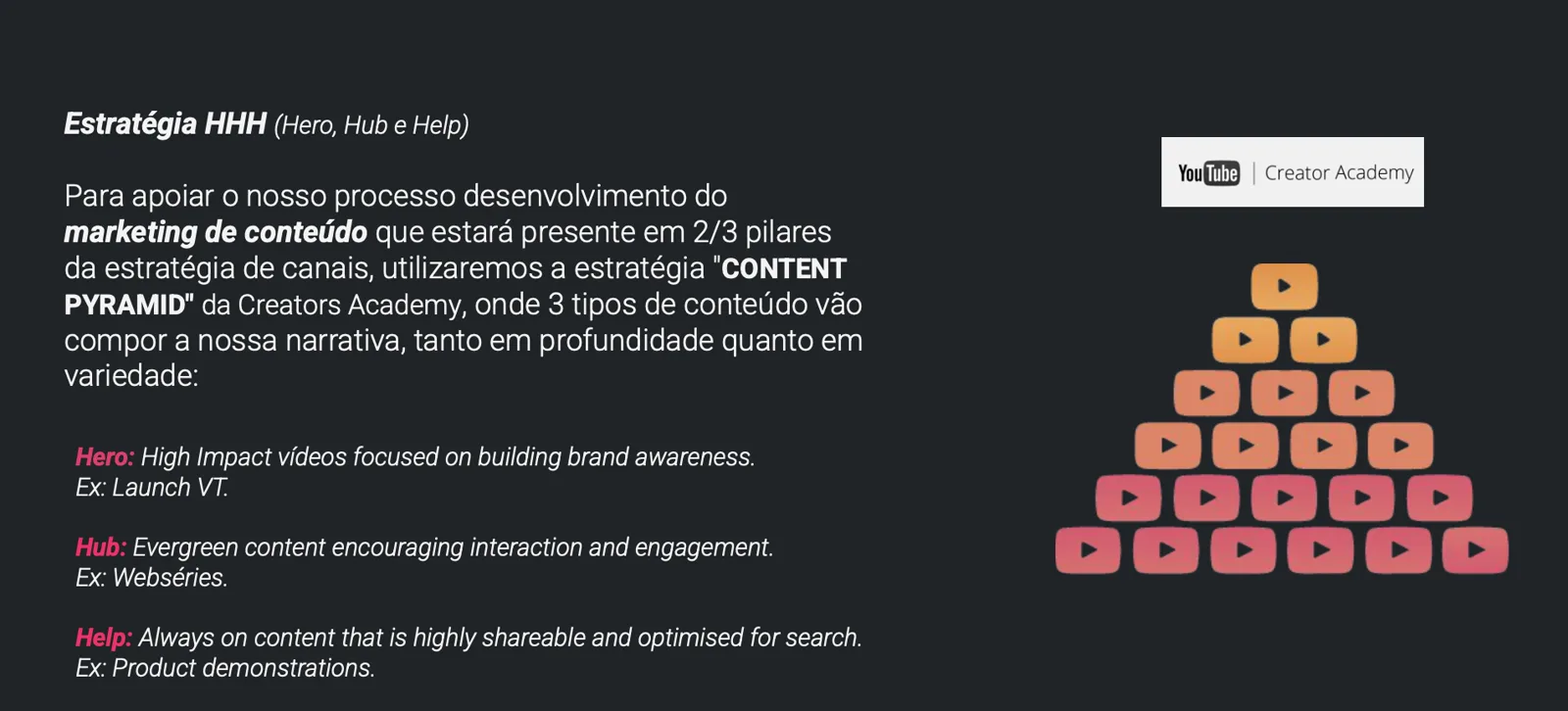
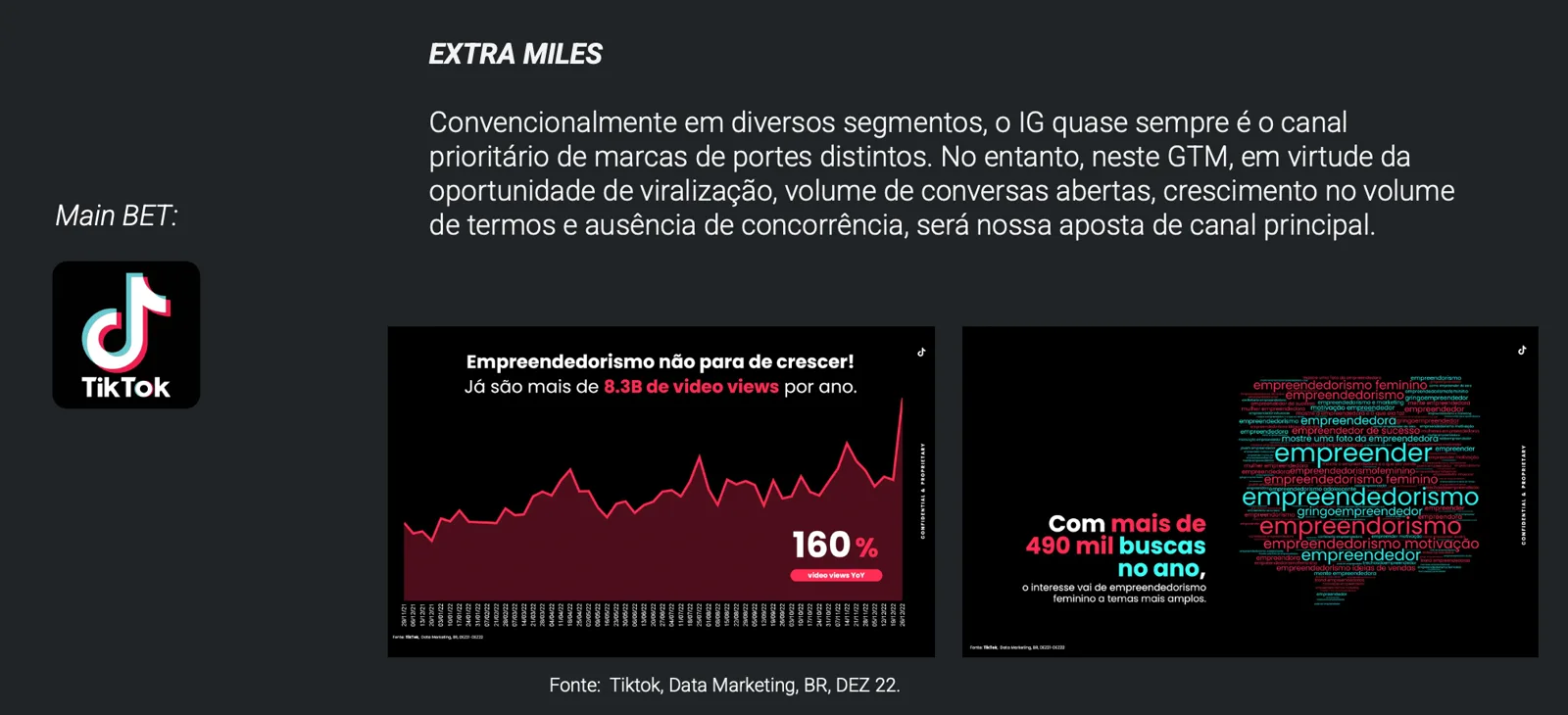
2. Digital Channels: The plan envisioned a shift to an omnichannel approach, where content is mutually reinforcing. Content production would be guided by the Content Pyramid framework (Hero, Hub, Help), with TikTok being the main bet due to its high volume of views on the topic (over 8.3 billion per year) and low competition.
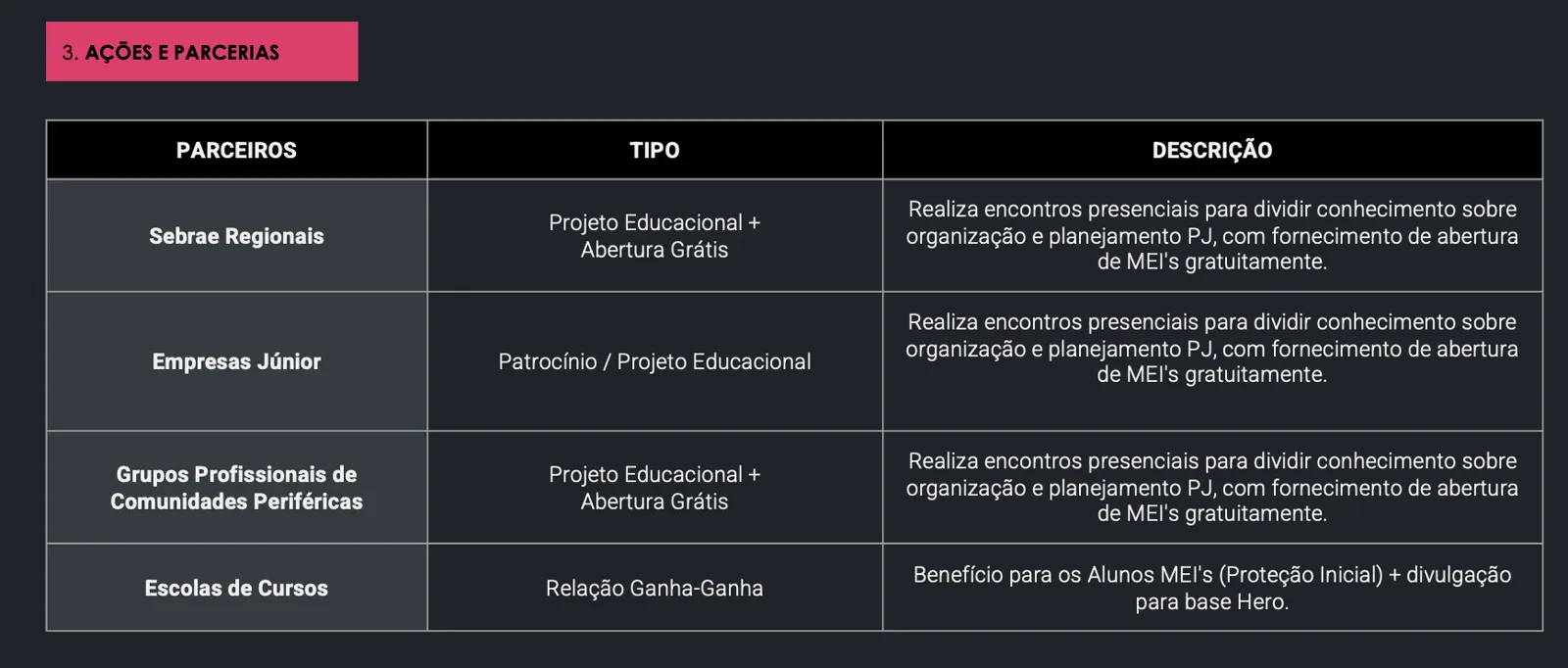
3. Actions and Partnerships:
To solidify our positioning, the plan included grassroots marketing actions, with educational projects in partnership with credible entities like Sebrae and Junior Enterprises, to build trust and external validation.
4. Seasonal Campaign:
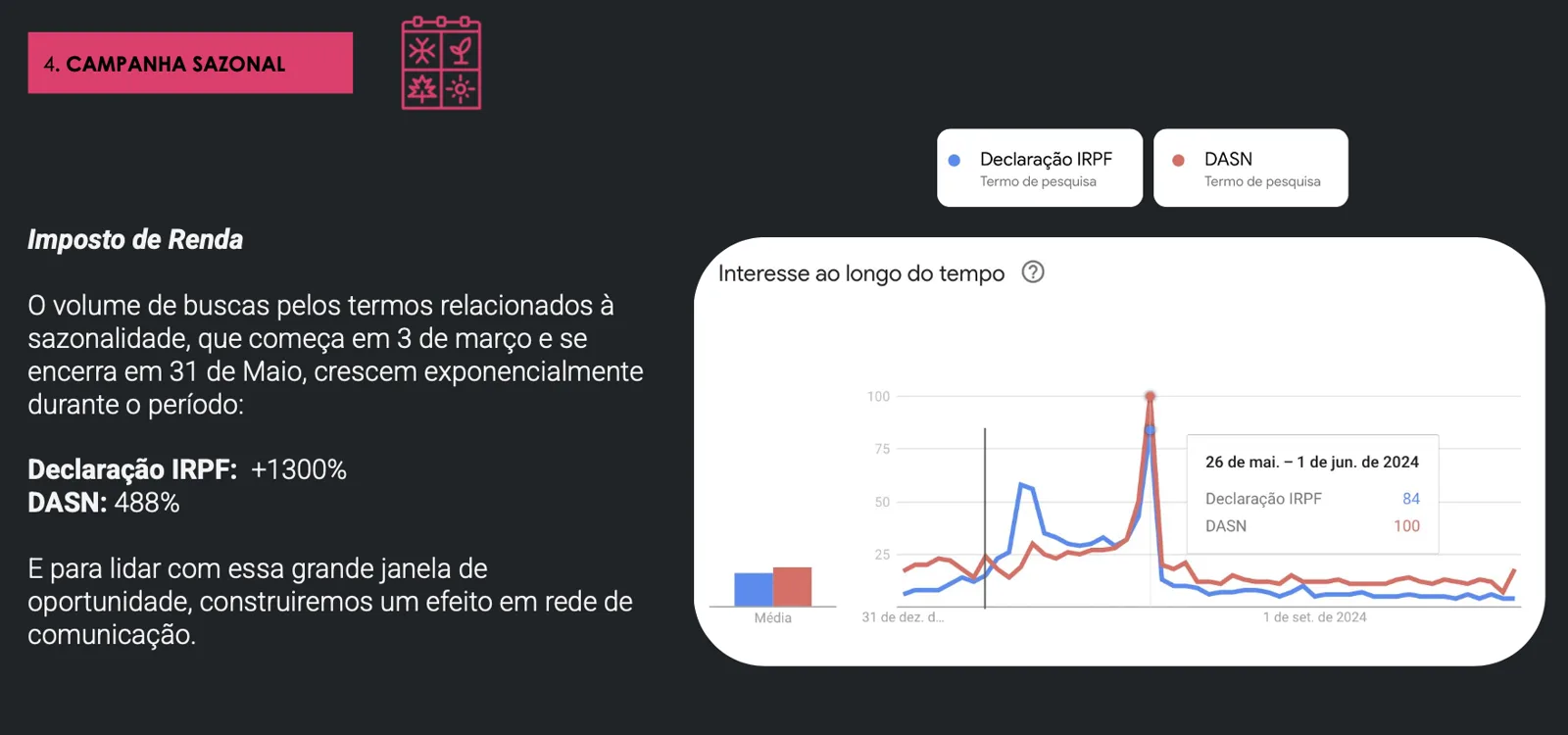
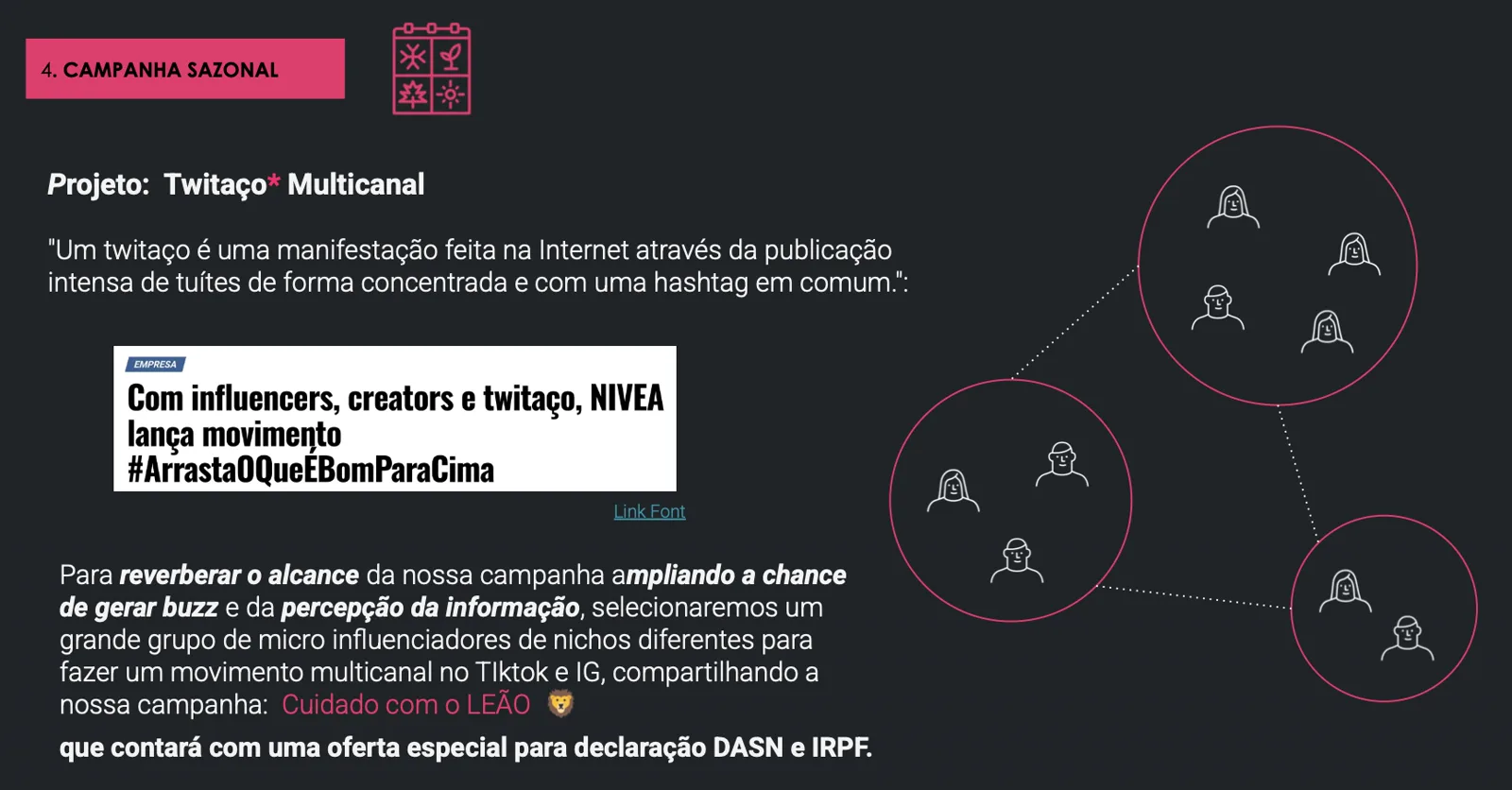
To capitalize on the year's peak interest period, I planned a "flash attack" campaign during the Income Tax Declaration season. By leveraging the surge in searches for the term "DASN" (which grows by up to 488%), the tactic would be a "Multichannel Tweetstorm" to generate a spike in awareness.
5. Naming Test:
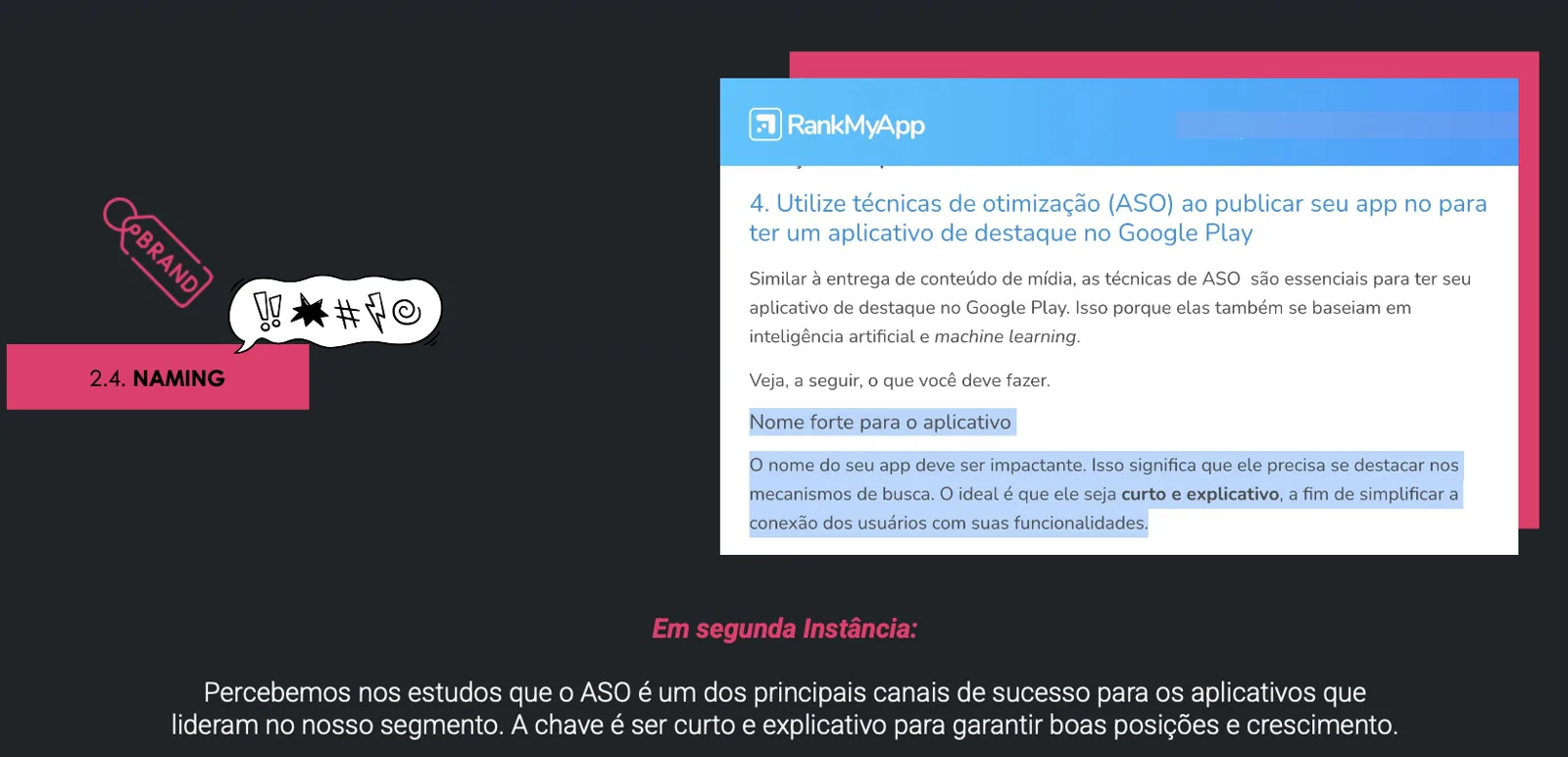
As ASO (App Store Optimization) was a fundamental channel in the segment, this pillar ensured the optimization of our main showcase through a Naming Test (e.g., PJ Hero vs. MEI Hero), seeking the name with the best search performance to maximize organic discovery.
With the action plan designed, the next step was to make its impact tangible in growth projections:
Static Current Scenario: Maintaining only current initiatives, the goal of 1 million users would only be reached in December 2028.
New Dynamic Scenario: Implementing the 5 pillars of the GTM, the projection accelerated drastically, estimating the achievement of the same goal for August 2026. The conclusion was clear: the strategy had the potential to bring forward the company's main business objective by over 2 years.
7. Conclusion: A Unified Action Plan for the Teams
The final outcome of this project went far beyond a presentation. It was the creation of a unified action plan, a single source of truth that served to align and direct the priorities of the Growth and Marketing squads.With a clear diagnosis, a strong positioning, and a well-defined tactical plan, the team gained strategic and operational clarity to focus efforts around a common objective, transforming analysis and technical expertise into a viable path for accelerated growth.